

In the Shadow of Screens
The Silent Mistakes That Open the Door to Hackers
In a world where cyberattacks are becoming more frequent, cybersecurity has become a priority for businesses of all sizes. However, many small and medium-sized businesses (SMBs) still make mistakes that expose their data and that of their customers. Here are five common mistakes and how to effectively avoid them.

gnabeli jean
Using Weak or Reused Passwords
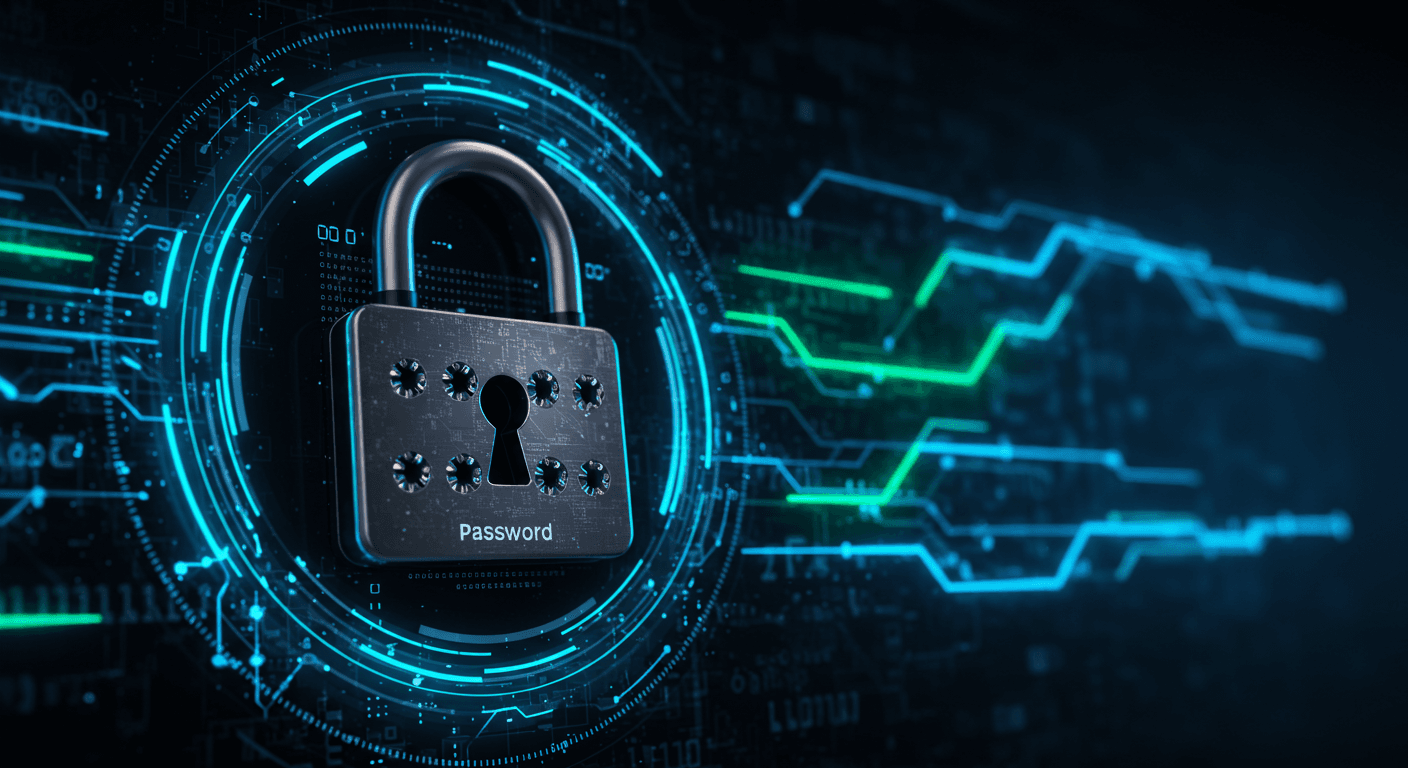
One of the most common cybersecurity mistakes is using weak passwords or reusing them across multiple platforms. Many employees choose easy-to-remember passwords like "123456" or "password," making it incredibly easy for hackers to break in. Another frequent issue is using the same credentials across different services, meaning that if one account is compromised, all others are at risk
To prevent this, it’s crucial to adopt good password management practices. Passwords should be long and complex (at least 12 characters with a mix of letters, numbers, and symbols). Two-factor authentication (2FA) is also an effective solution to strengthen security by requiring an additional confirmation during logins. Finally, a password manager can be a great tool to generate and store secure passwords without the risk of forgetting them.
Failing to Update Software and Systems
Many businesses ignore or delay software and system updates, believing they only contain minor improvements. In reality, these updates often include security patches that fix vulnerabilities exploited by cybercriminals. Running outdated software is an open door for hackers, who use methods like exploiting known vulnerabilities.
The best solution is to enable automatic updates on all devices and software used within the company. It is also crucial to replace outdated software that no longer receives security updates from developers. Additionally, having up-to-date antivirus and firewall protection can block many potential threats. Businesses should always ensure their IT infrastructure is protected with the latest versions available.
Failing to Train Employees on Cybersecurity
A recent study found that 90% of successful cyberattacks are due to human error. Many employees are unaware of the risks associated with phishing attacks, fraudulent links, or malicious email attachments, making them vulnerable. Cybercriminals exploit this weakness by sending fake emails disguised as official communications.
To reduce these risks, businesses should conduct regular cybersecurity training to educate employees on the most common threats. Every employee should be able to identify phishing emails, recognize scam attempts, and report any suspicious activity. Additionally, a clear internal security policy should be established, outlining best practices and procedures to follow in case of a detected threat.
Not Backing Up Data Regularly
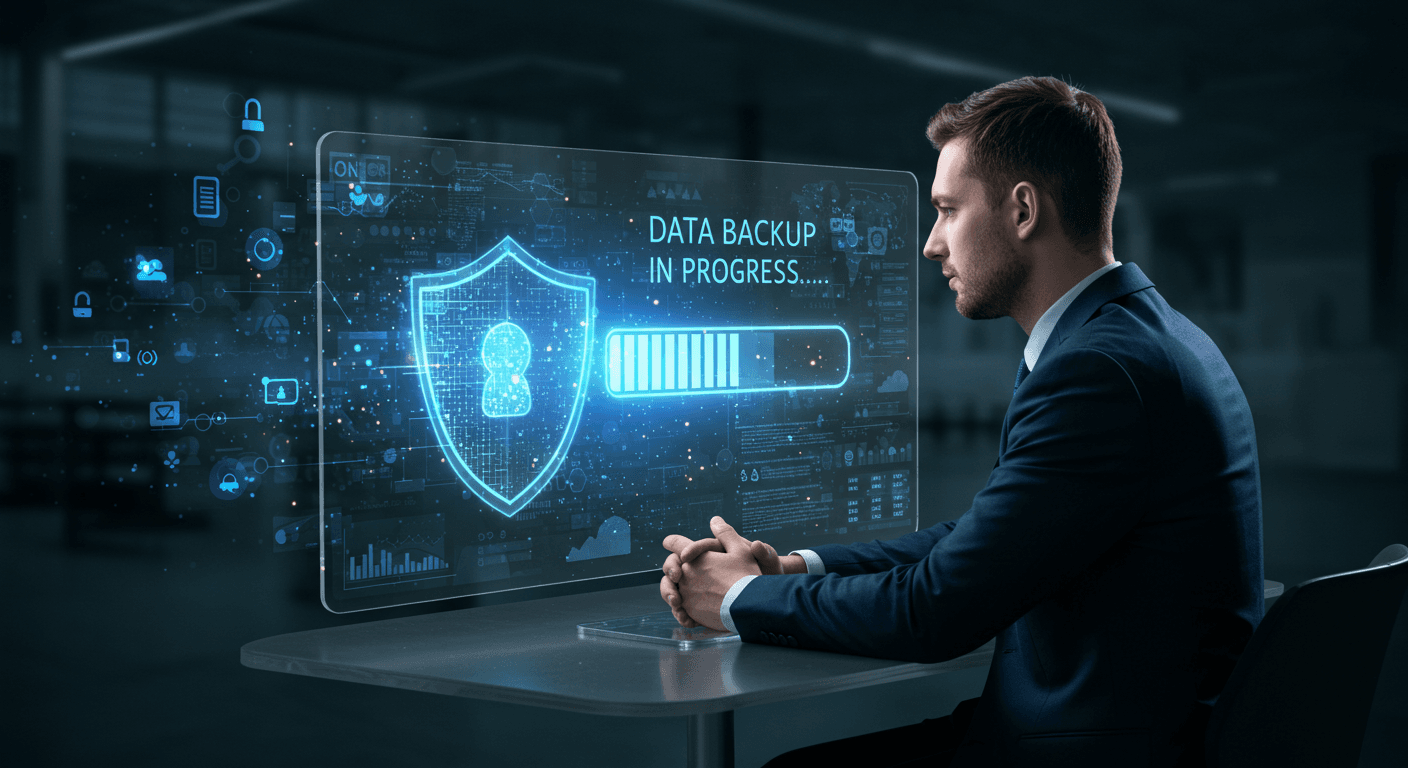
Losing critical business data due to a cyberattack, hardware failure, or human error can be disastrous. However, many SMBs lack a backup strategy, exposing them to the risk of permanent data loss. A ransomware attack, for instance, can encrypt all company files and demand a ransom for their return.
To avoid this scenario, it is imperative to implement an effective backup strategy. This involves setting up an automated backup system that regularly saves important files on a secure server or encrypted cloud storage. Following the 3-2-1 backup rule is recommended: three copies of the data, stored on two different types of media, with one copy stored offline. Businesses should also test their backups regularly to ensure they can be restored when needed.
Granting Too Much Access to Employees and Partners
In many businesses, all employees have full access to all files and systems, even when it’s unnecessary for their roles. This practice is a significant risk because if an account is compromised, hackers can access sensitive information and exploit it.
To mitigate this risk, businesses should apply the principle of least privilege, where each employee has access only to the information necessary for their work. Additionally, using role-based permissions can help limit access to sensitive files. Implementing an access log system allows businesses to monitor unusual activities and quickly detect intrusion attempts.
Securing Your Business Means Preventing Before Suffering!
Cybersecurity is a critical issue for all businesses, and the mistakes discussed in this article are among the most common. Fortunately, simple adjustments can significantly improve data and system protection. Adopting good password practices, keeping software updated, training employees, securing backups, and managing access carefully are essential actions to minimize risks.
By following these tips, you can better protect your business from cyber threats and ensure data confidentiality. Is your company already implementing these best practices?